Whether you’re powering a busy warehouse fleet or cruising down the fairway on a sunny afternoon, one thing determines how far you go — your battery. Forklift batteries and golf cart batteries have traditionally relied on lead-acid chemistry, but by 2026 the industry has decisively moved to lithium-ion technology. Falling LiFePO4 cell costs, tighter emissions regulations, and rising energy prices have made lithium the clear economic and operational choice — and operators still running lead-acid are now paying a measurable competitive penalty. At Sisway Battery, we’ve engineered high-performance lithium solutions for both applications, giving operators longer runtime, faster charging, and near-zero maintenance.
In this complete 2026 guide, we break down everything you need to know about choosing the right forklift lithium battery or lithium golf cart battery for your specific needs — from voltage specs and capacity to ROI calculations and installation tips.
Why Lithium Is the Future for Both Applications
In 2026, the global shift from lead-acid to lithium-ion batteries is no longer a trend — it’s an industry standard. With LiFePO4 cell prices having dropped significantly over the past three years and stricter emissions and workplace safety regulations coming into force in many markets, the pressure to modernize battery fleets has never been greater. Lithium-ion chemistry offers a compelling combination of advantages that traditional flooded or sealed lead-acid batteries simply cannot match:
- Up to 3× longer lifespan — Lithium cells typically deliver 2,000–3,000 charge cycles versus 500–1,000 for lead-acid.
- Opportunity charging — Lithium batteries can be partially charged during breaks without memory effect or degradation.
- Consistent voltage output — Unlike lead-acid, lithium maintains stable voltage even as the charge depletes, ensuring peak performance until the last percent.
- Zero watering, no acid spillage — Sealed lithium packs eliminate the messy, time-consuming maintenance routines of flooded batteries.
- Lighter weight — Lithium batteries are 30–50% lighter than equivalent lead-acid packs, improving vehicle handling and reducing structural stress.
- Built-in Battery Management System (BMS) — Every Sisway lithium battery includes an intelligent BMS that monitors temperature, voltage, and current to protect your investment automatically.
These benefits apply equally to forklift batteries in demanding industrial settings and golf cart batteries in leisure and fleet applications. The question is not whether to switch — it’s which lithium battery is right for your specific use case.
Forklift Batteries: Power Built for the Warehouse Floor
Industrial forklift operations demand extreme reliability. A forklift that runs out of power mid-shift doesn’t just slow productivity — it can create safety hazards and cascade into costly delays. That’s why Sisway’s lithium forklift batteries are engineered to deliver maximum uptime under the harshest conditions.
What Makes a Great Forklift Battery?
A high-quality forklift battery must balance energy density, charge speed, thermal stability, and mechanical durability. Here’s what sets lithium forklift batteries apart from legacy alternatives:
Fast Charging Without the Waiting Game
Traditional lead-acid forklift batteries require 8 hours of charging plus an additional cooling period — effectively meaning you need a spare battery for every shift. Sisway lithium forklift batteries reach 80% charge in as little as 1–2 hours and can be opportunity-charged during lunch breaks or shift changes. That means one battery can often power multiple shifts, dramatically reducing fleet size requirements.
Higher Energy Density = More Lift Time
Lithium batteries pack significantly more energy into the same footprint. A Sisway 48V 400Ah lithium forklift battery stores the usable energy equivalent of a much larger lead-acid bank, allowing your forklift to run longer between charges without the performance drop-off that plagues lead-acid chemistry as discharge deepens.
Thermal Stability for Extreme Environments
Warehouses aren’t always climate-controlled. Cold storage facilities, outdoor yards, and hot manufacturing floors all stress batteries hard. Sisway’s LiFePO4 (lithium iron phosphate) chemistry is renowned for its thermal stability, offering safe operation across a wide temperature range without the risk of thermal runaway that worries operators with other lithium chemistries.
Intelligent BMS for Fleet Management
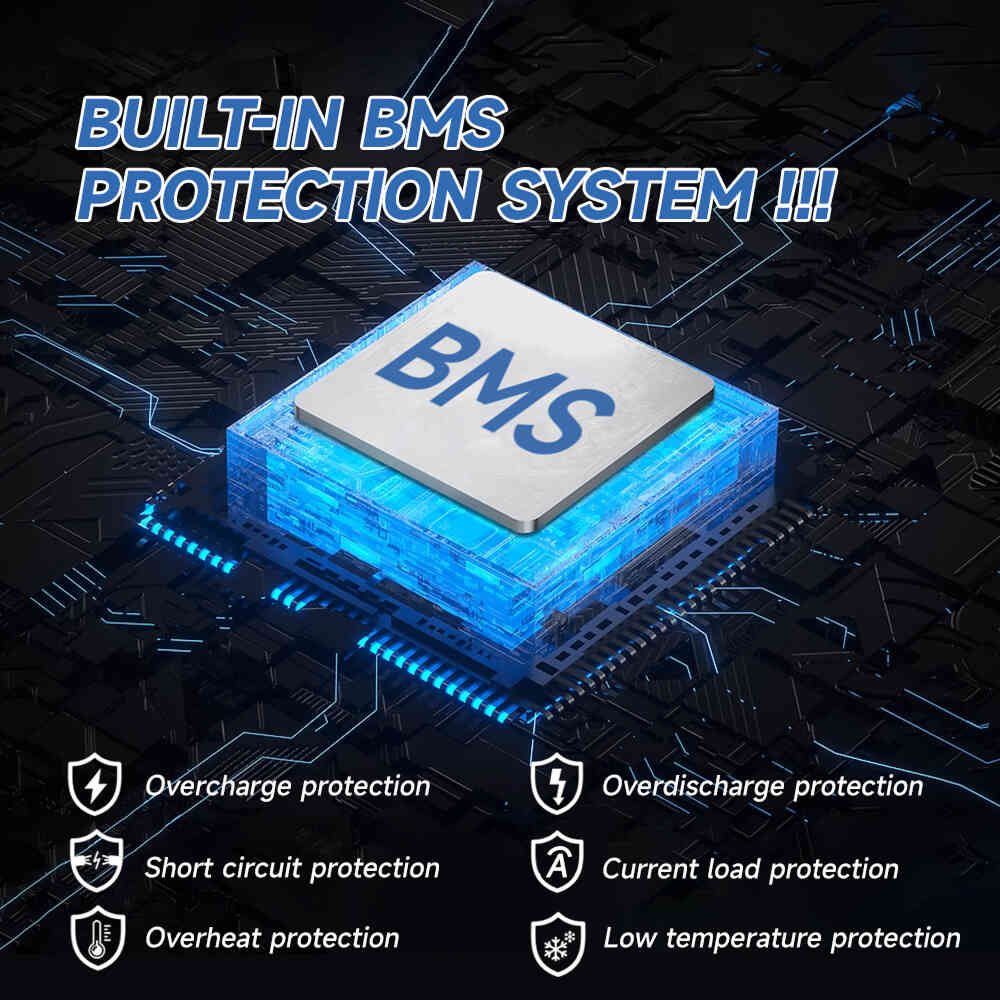
Every Sisway forklift battery ships with a sophisticated Battery Management System that provides real-time State of Charge (SOC) data, cycle count tracking, fault alerts, and CAN bus communication compatibility with most major forklift brands including Toyota, Crown, Jungheinrich, Linde, and Hyster-Yale.
Sisway Forklift Battery Specifications at a Glance
| Specification | Details |
|---|---|
| Voltage Options | 24V / 36V / 48V / 72V / 80V |
| Capacity Range | 100Ah – 1,000Ah |
| Cell Chemistry | LiFePO4 (Lithium Iron Phosphate) |
| Cycle Life | ≥ 2,000 cycles @ 80% DoD |
| Charge Time (0–100%) | 2–4 hours (standard charger) |
| Operating Temperature | -20°C to +60°C |
| Communication Protocol | CAN Bus / RS485 / Bluetooth |
| Safety Certifications | UL / CE / UN38.3 |
| Warranty | Up to 5 years |
👉 Browse our full range of Forklift Lithium Batteries →
Industries That Benefit Most from Lithium Forklift Batteries
- Warehousing & Distribution Centers — Multi-shift operations gain the most from opportunity charging and zero downtime maintenance.
- Cold Storage & Food Processing — LiFePO4 chemistry performs reliably at low temperatures where lead-acid fails.
- Manufacturing Plants — Consistent voltage output means consistent lift power throughout the full shift.
- Retail & E-Commerce Fulfillment — High-volume picking operations demand batteries that keep pace with demand.
- Ports & Container Yards — Outdoor, high-duty-cycle environments benefit from rugged, weather-resistant lithium packs.
3. Golf Cart Batteries: Smooth, Silent, Long-Lasting Performance
Golf carts have evolved from simple course vehicles into versatile workhorses used in resorts, retirement communities, airports, sports venues, and private estates. As usage expands, so do expectations — and lead-acid batteries are struggling to keep up. Sisway lithium golf cart batteries deliver the performance, longevity, and convenience that modern golf cart operators demand.
The Problem with Traditional Golf Cart Batteries
Most golf carts still ship with 6V or 8V flooded lead-acid batteries wired in series to achieve 36V or 48V. These packs have well-known drawbacks:
- Heavy weight slows the cart and increases tire wear
- Monthly watering and terminal cleaning are mandatory
- Sulfation from partial charging shortens lifespan dramatically
- Performance fades noticeably as charge depletes (the dreaded “slow hill climb”)
- Disposal of lead-acid batteries creates environmental and regulatory headaches
How Sisway Lithium Golf Cart Batteries Solve Every Problem
More Holes, More Fun — Extended Range Per Charge
A typical 48V 100Ah Sisway lithium golf cart battery delivers up to 40–60 miles of range on a single charge, depending on terrain, load, and speed. Compare that to a conventional lead-acid set that might manage 25–35 miles with performance degrading in the final third of discharge. Your guests and members will notice the difference immediately.
Dramatically Reduced Weight
A standard set of six 8V lead-acid golf cart batteries can weigh over 400 lbs. An equivalent Sisway lithium pack weighs under 150 lbs — a weight saving of 250+ lbs. This transforms the cart’s handling, responsiveness, and hill-climbing ability, while significantly reducing wear on axles, tires, and suspension components.
Charge Overnight, Play All Day
Sisway lithium golf cart batteries fully charge in 3–5 hours from a standard charger, or in under 2 hours with a fast charger. Plug in after the last round, wake up to 100% — every time. And because lithium has no memory effect, partial charging during the day causes zero long-term damage.
5–10 Year Lifespan vs. 2–3 Years for Lead-Acid
The math is compelling: a quality Sisway lithium golf cart battery rated for 2,000+ cycles will outlast 3–4 sets of lead-acid replacements. Over a 10-year horizon, lithium is almost always the more economical choice — even before counting saved maintenance labor, watering equipment, and acid cleanup.
Sisway Golf Cart Battery Specifications at a Glance
| Specification | Details |
|---|---|
| Voltage Options | 36V / 48V / 72V |
| Capacity Range | 50Ah – 200Ah |
| Cell Chemistry | LiFePO4 (Lithium Iron Phosphate) |
| Cycle Life | ≥ 2,000 cycles @ 80% DoD |
| Charge Time (0–100%) | 3–5 hours (standard) / <2 hours (fast) |
| Weight Saving vs. Lead-Acid | 50–60% lighter |
| Operating Temperature | -20°C to +55°C |
| BMS Protection | Overcharge / Over-discharge / Short Circuit / Thermal |
| Compatibility | Club Car, EZGO, Yamaha, and most major brands |
| Warranty | Up to 5 years |
👉 Browse our full range of Lithium Golf Cart Batteries →
Who Uses Sisway Golf Cart Batteries?
- Golf Courses & Country Clubs — Fleets running back-to-back rounds need reliability and overnight recharge capability.
- Resorts & Hotels — Guest shuttle carts must project quality and never break down mid-route.
- Retirement & Gated Communities — Low-maintenance lithium is perfect for residents who want transport, not maintenance schedules.
- Airports & Event Venues — Heavy daily use and indoor operation make lithium’s clean, emission-free operation essential.
- Private Owners — Anyone upgrading a personal cart wants more range, less hassle, and a longer battery life.
Lead-Acid vs. Lithium: Side-by-Side Comparison
Still on the fence about making the switch? Let the data speak for itself.
| Feature | Lead-Acid Battery | Sisway Lithium Battery |
|---|---|---|
| Cycle Life | 500 – 1,000 cycles | 2,000 – 4,000+ cycles |
| Usable Capacity | ~50% (safe DoD) | ~80–90% (safe DoD) |
| Charge Time | 8–12 hours | 2–5 hours |
| Self-Discharge / Month | 5–15% | <3% |
| Weight | Baseline | 50–60% lighter |
| Maintenance | Monthly watering, cleaning | Zero maintenance |
| Voltage Consistency | Drops with discharge | Flat curve throughout |
| Opportunity Charging | Not recommended | Fully supported |
| Temperature Range | Narrow (best at 20–25°C) | Wide (-20°C to +60°C) |
| Environmental Impact | Lead / acid disposal required | No hazardous materials |
| Upfront Cost | Lower | Higher (but lower TCO) |
| 10-Year Total Cost | High (multiple replacements) | Low (one battery, less labor) |
How to Choose the Right Battery for Your Application
Selecting the correct battery starts with understanding your operational requirements. Here’s a simple decision framework:
For Forklift Batteries — Ask These Questions:
- What is the forklift’s voltage requirement? (Typically 24V, 36V, 48V, or 80V — check the manufacturer spec plate.)
- How many hours per shift does it operate? (More hours = higher Ah capacity needed.)
- How many shifts run per day? (Multiple shifts benefit most from fast-charge lithium.)
- What is the lift capacity and duty cycle? (Heavy loads in high-frequency cycles require higher C-rate rated cells.)
- Is the environment temperature-controlled? (Cold storage requires cold-rated LiFePO4 packs with heated BMS.)
- Does the forklift need CAN bus communication? (Many modern trucks require battery state data for dashboard integration.)
For Golf Cart Batteries — Ask These Questions:
- What voltage is my cart’s motor controller? (36V and 48V are most common; 72V for performance upgrades.)
- How many miles per day does the cart typically travel? (More miles = higher Ah pack.)
- Is the cart used indoors or in a climate-controlled garage? (Less critical for lithium, but matters for charger placement.)
- What brand/model is my cart? (Club Car, EZGO, and Yamaha all have slightly different battery tray dimensions — our team can advise on fitment.)
- Do I want Bluetooth monitoring? (Some Sisway packs offer app-based SOC monitoring via Bluetooth BMS.)
Not sure which model is right for you? Contact our technical team for a free consultation and custom quote.
Calculating the ROI of Switching to Lithium in 2026
The most common objection to lithium batteries is the higher upfront cost. With energy prices elevated globally in 2026 and labor costs rising, the ROI case for lithium has actually strengthened considerably compared to just two years ago. Let’s address it with real numbers.
Forklift Battery ROI Example
Scenario: Single 48V 400Ah forklift, two shifts per day, 300 working days/year.
| Cost Factor | Lead-Acid (Over 5 Years) | Sisway Lithium (Over 5 Years) |
|---|---|---|
| Battery Purchase (×2 for two-shift coverage) | $4,800 | $7,200 (single battery) |
| Replacement Batteries | $4,800 (×1 at year 2.5) | $0 |
| Maintenance Labor (watering, cleaning) | $3,000 | $0 |
| Energy Cost (charging efficiency ~75% vs ~98%) | $2,400 | $1,840 |
| Downtime Cost (est. 1 hr/month for maintenance) | $6,000 | $0 |
| 5-Year Total Cost | $21,000 | $9,040 |
Typical lithium payback period: 18–30 months. After that, the savings are pure operational gain.
Golf Cart Battery ROI Example
Scenario: 48V golf cart at a busy country club, 250 rounds/year.
| Cost Factor | Lead-Acid (Over 7 Years) | Sisway Lithium (Over 7 Years) |
|---|---|---|
| Initial Battery Cost | $900 | $1,800 |
| Replacement Sets (every 2–3 yrs) | $1,800 (×2) | $0 |
| Watering Equipment & Labor | $700 | $0 |
| Charging Electricity | $420 | $310 |
| 7-Year Total Cost | $3,820 | $2,110 |
Maintenance Tips That Extend Battery Life
One of lithium’s biggest selling points is minimal maintenance — but “minimal” doesn’t mean “none.” Follow these best practices to maximize the lifespan of your Sisway battery:
For Forklift Lithium Batteries:
- Avoid deep discharge below 10% SOC — The BMS will prevent damage, but frequent deep discharge accelerates capacity fade over time.
- Use a lithium-compatible charger — Always use a charger designed for LiFePO4 chemistry. Never use a lead-acid charger profile.
- Keep connectors clean and tight — Inspect SB connectors quarterly for corrosion or loose contacts.
- Monitor BMS alerts promptly — If the BMS triggers a fault code, address it before the next shift rather than bypassing the alert.
- Store at 50% SOC if idle for extended periods — If a forklift is taken out of rotation, store the battery at half charge in a cool, dry location.
For Golf Cart Lithium Batteries:
- Charge after every use — Unlike lead-acid, it’s perfectly fine (and recommended) to top up after a short run.
- Don’t leave fully discharged for extended periods — If the cart won’t be used for weeks, give it a partial charge first.
- Check cable connections seasonally — Vibration from rough terrain can loosen terminals over time.
- Store in a garage or covered area — Lithium handles temperature well, but avoiding prolonged extreme heat (above 50°C) is good practice.
- Use the app (if BMS-equipped) — Monitor cycle count and health through the Bluetooth interface to catch any anomalies early.
Why Choose Sisway Battery?
There’s no shortage of lithium battery suppliers in the market, but Sisway Battery stands apart in several meaningful ways:
- Manufacturer-Direct Pricing
We design, manufacture, and test every battery in-house. No middlemen means lower prices and complete traceability from cell to finished pack. - Grade-A LiFePO4 Cells Only
Sisway sources only premium-grade A LiFePO4 cells — the safest, most thermally stable lithium chemistry available. No recycled or B-grade cells, ever. - Custom Battery Solutions
Not every forklift or golf cart is standard. Our engineering team can design custom voltage, capacity, and form-factor solutions for virtually any application. - International Certifications
All Sisway batteries carry relevant safety certifications including UL, CE, and UN38.3 for global shipping compliance. - Global Shipping & OEM Support
Sisway ships to customers across North America, Europe, Southeast Asia, Australia, and beyond. We also support OEM and private-label programs for fleet operators and distributors. - Dedicated Technical Support
Our support team includes battery engineers who can answer technical questions before and after purchase — not just a customer service script. - Up to 5-Year Warranty
We back every battery with a comprehensive warranty because we’re confident in what we build.
Conclusion: Power Smarter with Sisway Lithium Batteries in 2026
In 2026, the case for lithium is no longer a debate — it’s settled. Whether you’re managing a multi-shift warehouse fleet or maintaining a golf cart fleet at a world-class resort, forklift batteries and golf cart batteries powered by Sisway’s LiFePO4 technology deliver longer runtime, faster charging, lower lifetime costs, and a dramatically simpler maintenance experience compared to any lead-acid solution.
With rising energy costs, stricter environmental regulations, and an increasingly competitive operational landscape, the businesses winning in 2026 are those that have already made the switch. If you haven’t yet — now is the time.
Sisway Battery is ready to help you make that transition as seamlessly as possible, from initial consultation to post-installation technical support. Explore our product ranges below and get in touch with our team for a personalized recommendation and quote.
Shop Forklift Lithium Batteries →
Shop Golf Cart Lithium Batteries →
About Sisway Battery: Sisway Battery is a leading manufacturer of high-performance lithium-ion battery solutions for industrial, commercial, and recreational applications. With a portfolio spanning forklift batteries, golf cart batteries, marine batteries, and energy storage systems, Sisway delivers certified, warranty-backed power to customers in over 30 countries. Visit siswaybattery.com to learn more or request a custom quote.
Frequently Asked Questions
A: Only if it supports a LiFePO4 charging profile. Otherwise, use a compatible charger from Sisway Battery.
A: Multiply operating hours by average current draw, then add 20%. Example: 8 hours × 50A = 400Ah; recommended capacity = 480Ah.
A: Yes. They maintain steady voltage, providing consistent power and torque on inclines.
A: Yes. LiFePO4 batteries do not produce gas during normal charging and are safe for indoor use.
A: The battery disconnects automatically to protect itself and typically resets once the issue is resolved.
A: Yes. Sisway Battery offers volume pricing for fleet orders.