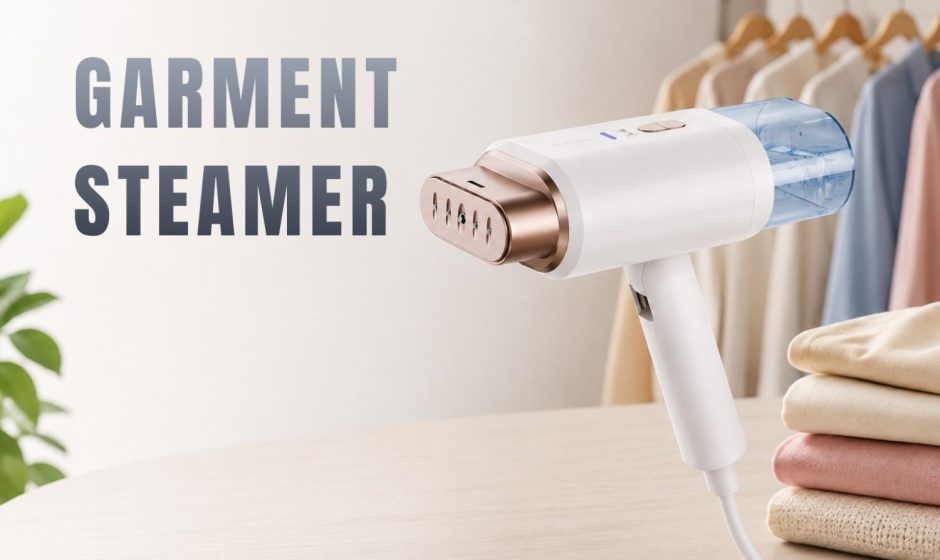

What Is a Garment Steamer?
If you have ever pulled a shirt out of the closet only to find it hopelessly wrinkled, you already know the frustration. Traditional ironing works, but it takes time, requires a board, and can scorch delicate fabrics if you are not careful. That is exactly why the garment steamer has become one of the most popular home appliances in American households over the last decade.
In this guide, we cover everything you need to know about garment steamers — how they work, the different types available, the benefits of using one, what to look for before buying, and how to use one correctly. Whether you are a frequent traveler, a fashion-conscious professional, or just someone who wants wrinkle-free clothes without the hassle, this guide is for you.
What Is a Garment Steamer?
A garment steamer is a home appliance that uses hot steam to relax fabric fibers and remove wrinkles from clothing, curtains, upholstery, and other textiles. Unlike a traditional iron, which presses fabric flat using direct heat and pressure, a garment steamer works by directing a continuous flow of steam onto the surface of the fabric, causing the fibers to loosen and fall into their natural, smooth shape.
Most garment steamers heat water to around 212°F (100°C) or higher, converting it into pressurized steam that is delivered through a nozzle or steam head. The process is fast — many models are ready to use within 30 to 60 seconds of being switched on — and because the steam never directly touches the fabric’s surface at high pressure, it is far gentler than a traditional iron.
How Does a Garment Steamer Work?
The working principle of a garment steamer is simple:
- Water is poured into the unit’s reservoir tank.
- The internal heating element rapidly heats the water to produce steam.
- The steam is channeled through a tube or hose to the steam head or nozzle.
- You hold the steam head a few centimeters from your garment and move it slowly downward.
- The heat and moisture from the steam relax the fabric fibers, causing wrinkles to smooth out naturally.
The whole process is considerably faster than setting up an ironing board and iron, especially when dealing with hanging garments, delicate materials like silk or cashmere, or structured items like suits and blazers.
Types of Garment Steamers
1. Handheld Garment Steamers
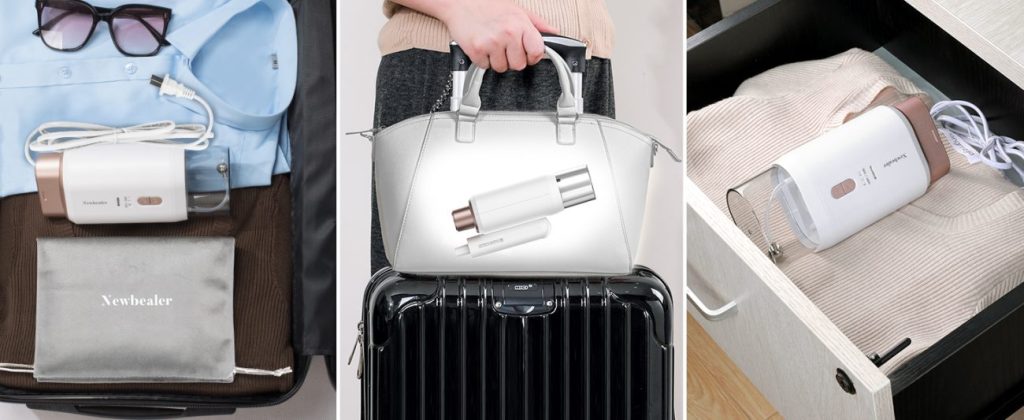
Handheld steamers are compact, lightweight, and designed for quick touch-ups. They typically hold a small water tank (around 150 ml to 250 ml) and are perfect for travel or light daily use. They heat up fast and are easy to store.
2. Standing Garment Steamers
Standing or full-size garment steamers come with a vertical pole, a hanger, and a large water reservoir. They are ideal for regular home use, professional garment care, or small tailoring businesses. The larger tank means longer continuous steaming time without refilling.
3. 2-in-1 Steamers and Steam Irons
Some appliances combine the functionality of a garment steamer and a traditional iron in a single unit. These are called PSA (Pressurized Steam Appliance) steamers or steam station irons. They offer both the gentle steam-only mode for delicate fabrics and a pressing mode for crisp creases on cotton or linen shirts.
4. Travel Garment Steamers
Travel steamers are specifically designed for use on the go. They are small enough to fit in a carry-on bag, often feature dual voltage (100–240V) for international travel, and can handle light wrinkle removal in a hotel room.
Key Benefits of Using a Garment Steamer
Safe on Delicate Fabrics
Garment steamers work without direct contact or high pressure on fabric fibers. That makes them safe for silk, chiffon, velvet, wool, linen, and embroidered items that can be damaged by a hot iron.
Fast and Convenient
Most handheld and standing steamers are ready to use in under a minute. No ironing board required — you can steam directly on a hanger or a flat surface like a bed or a table.
Kills Bacteria and Removes Odors
The high-temperature steam does more than remove wrinkles. It also kills common household bacteria and neutralizes odors from sweat, smoke, or storage, making it especially useful for refreshing clothes between washes.
Works on More Than Just Clothes
A garment steamer is not limited to clothing. It works equally well on curtains, drapes, bed linens, stuffed animals, car interiors, and upholstered furniture — wherever steam heat can help refresh or sanitize fabric.
Extends the Life of Your Clothes
Because steamers do not apply pressure, friction, or direct heat contact the way irons do, they are gentler on fabrics over time. Regular steaming can extend the lifespan of your favorite garments significantly.
What to Look for When Buying a Garment Steamer
With dozens of models on the market, choosing the right garment steamer depends on your specific needs. Here are the most important factors to consider:
- Steam output and pressure: Higher pressure (measured in bar) means faster, more effective wrinkle removal. Look for at least 20g/min for handheld models, more for standing units.
- Heat-up time: The best steamers reach operating temperature in 30 to 60 seconds. Longer warm-up times can be frustrating during morning routines.
- Tank capacity: A larger tank means longer continuous use without refilling. Handheld models typically range from 150ml to 300ml; standing models can exceed 1 liter.
- Voltage and plug type: If you travel internationally, look for dual-voltage models (100–240V) so you can use the steamer abroad without a converter.
- Soleplate material: If buying a 2-in-1 steamer-iron, look for a non-stick ceramic soleplate, which glides smoothly and resists residue buildup.
- Vertical and horizontal steaming: Some steamers can produce steam in both orientations, which is useful for steaming clothes on a flat surface or bed.
- Accessories: Look for models that come with fabric brushes, crease attachments, or delicate fabric guards for more versatility.
How to Use a Garment Steamer Correctly
Using a garment steamer is simple, but a few best practices will get you the best results:
- Always fill the tank with clean, cold water. Distilled or filtered water reduces mineral buildup inside the unit.
- Hang the garment vertically or lay it flat on a clean surface before steaming.
- Hold the steam head about 1 to 2 centimeters from the fabric. Do not press the head directly onto the fabric.
- Move the steam head slowly downward in smooth strokes, following the grain of the fabric.
- For stubborn creases, use your free hand (protected with a glove if necessary) to gently pull the fabric taut while steaming.
- Allow the garment to cool and dry for a minute or two before wearing or folding.
- Empty the tank and let the unit dry between uses to prevent mold or mineral deposits.
Garment Steamer vs. Traditional Iron: Which Should You Choose?
| Feature | Garment Steamer | Traditional Iron |
| Setup time | 30–60 seconds | 2–5 minutes |
| Ironing board needed | No | Yes |
| Safe for delicate fabrics | Yes | Use with caution |
| Creates sharp creases | Limited | Yes |
| Deodorizes & sanitizes | Yes | No |
| Best for | Everyday refresh, delicates | Dress shirts, trousers |
| Travel-friendly | Yes (compact models) | Limited |
The bottom line: for most everyday use, a garment steamer is the faster, safer, and more versatile option. A traditional iron is still best when you need razor-sharp creases on cotton dress shirts or trousers.
Best Garment Steamers to Consider in 2026
The garment steamer market has evolved significantly, with brands now offering models specifically engineered for high-pressure steam, longer runtime, and multi-fabric compatibility. When shopping, look for brands that back their products with patents, customer ratings, and US-based warranty support.
If you are looking for a reliable garment steamer that combines professional performance with everyday convenience, explore the full range of Newbealer garment steamers — including handheld PSA steamers, 2-in-1 steam station irons, and travel-ready models designed for the modern American lifestyle. Newbealer has been manufacturing steam appliances since 2010 and ships from US warehouses in California and New Jersey.
Key models worth considering include compact handheld steamers for quick morning touch-ups, dual-voltage travel steamers for frequent fliers, and high-pressure 2-in-1 steam station irons for professional-level garment care at home.
Final Thoughts
A garment steamer is one of the most practical investments you can make for your wardrobe and home. It saves time, protects delicate fabrics, eliminates the need for a bulky ironing board, and even helps sanitize your clothes in the process. Whether you are looking for a compact travel unit or a full-size professional steamer for your home, there is a model perfectly suited to your lifestyle.
Ready to upgrade your garment care routine? Browse the complete range of Newbealer garment steamers and PSA steam irons and find the model that fits your needs — from everyday handheld steamers to high-pressure 2-in-1 steam stations.
Frequently Asked Questions About Garment Steamers
For most people, yes — a garment steamer handles the majority of everyday wrinkle removal tasks faster and more safely than a traditional iron. However, if you regularly wear dress shirts with stiff collars or trousers that need sharp creases, a steam iron or a 2-in-1 PSA steamer-iron will serve you better.
Using distilled or filtered water is recommended for extending the lifespan of your garment steamer. Tap water contains minerals that can build up inside the unit over time, reducing steam output and eventually causing blockages.
Yes — garment steamers are among the safest tools for delicate fabrics like silk, velvet, chiffon, and cashmere. Hold the steam head slightly further from the fabric than usual (about 3 to 5 cm) and use gentle, slow strokes.
It is good practice to descale your garment steamer every 1 to 3 months depending on water hardness and usage frequency. Most manufacturers include descaling instructions in the product manual.
Absolutely. Garment steamers are designed for daily use and are significantly safer than traditional irons for regular fabric care, especially on delicate and structured garments.